
+31 61369 1854
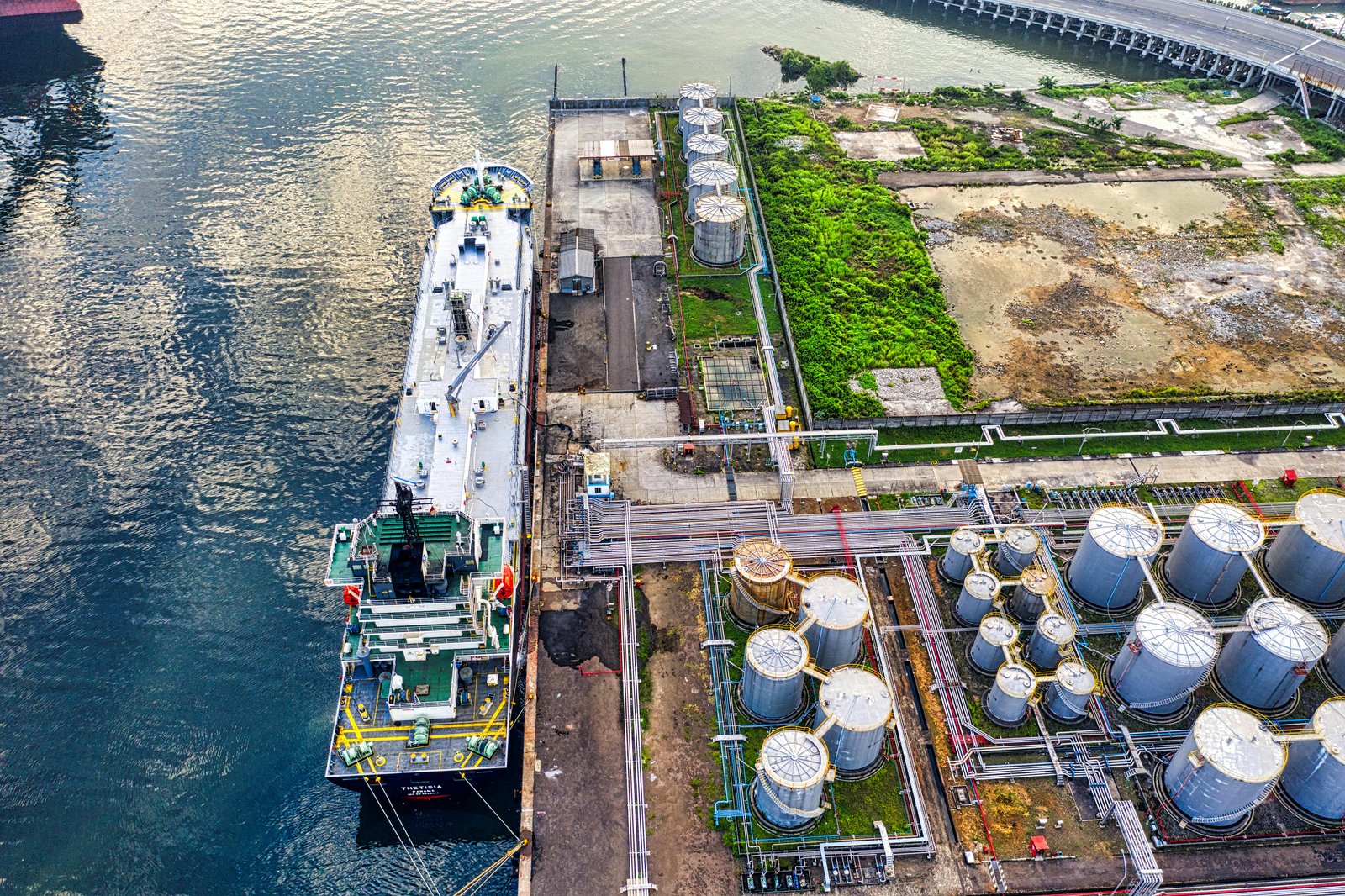
Shuttle Storage B.V. operates and manages storage terminals in some of the world’s most strategic energy and chemical trading hubs. These terminals form the backbone of the company’s storage and logistics network, supporting global supply chains for petroleum products, chemicals, and related commodities. Each terminal location is selected based on its connectivity, infrastructure, regulatory framework, and proximity to key markets.
Terminal operations are designed to support safe, efficient, and compliant handling of products from receipt to dispatch. Shuttle Storage B.V. integrates terminal activities with storage management and logistics coordination, enabling seamless movement across marine, pipeline, road, and rail transport modes. Standardized operating procedures ensure consistency while allowing adaptation to local regulatory and operational requirements.
Our terminals are equipped to handle a wide range of products and vessel sizes, supporting both regional distribution and international trade. Operational planning considers berth availability, tank allocation, product compatibility, and customer scheduling requirements. Advanced monitoring and control systems support operational integrity and transparency.
Safety and environmental protection are central to terminal operations. Shuttle Storage B.V. applies strict Health, Environment, and Safety controls across all terminals, including spill prevention systems, emergency response readiness, and continuous monitoring. Regular inspections, audits, and training ensure adherence to company standards and regulatory obligations.
By operating terminals in key global locations, Shuttle Storage B.V. enables customers to access critical markets, optimize logistics routes, and manage supply chain risks effectively.
The Rotterdam terminal benefits from Europe’s largest port and a major energy trading hub. Its extensive marine access, pipeline connectivity, and inland transport links support efficient distribution across Europe.
The location enables seamless integration with refineries, chemical clusters, and downstream markets.
The Houston terminal is positioned within the U.S. Gulf Coast energy corridor. Proximity to refineries, petrochemical plants, and export infrastructure supports both domestic distribution and international trade.
The location offers strong connectivity to marine, pipeline, rail, and road networks.
The Zhousan terminal serves as a key gateway to Asian energy markets.
Its strategic coastal location supports import, storage, and redistribution of petroleum and chemical products. Connectivity to major shipping lanes enhances access to regional and international customers.
The Jurong terminal is located within one of Asia’s leading energy and chemical hubs. Close proximity to refineries, chemical plants, and trading companies supports high-volume and specialty storage requirements. The terminal benefits from world-class port infrastructure and regulatory frameworks.
The Fujairah terminal provides critical access to Middle Eastern and global shipping routes outside the Strait of Hormuz. Its location supports bunkering, storage, and trading activities, offering strategic flexibility and security of supply.
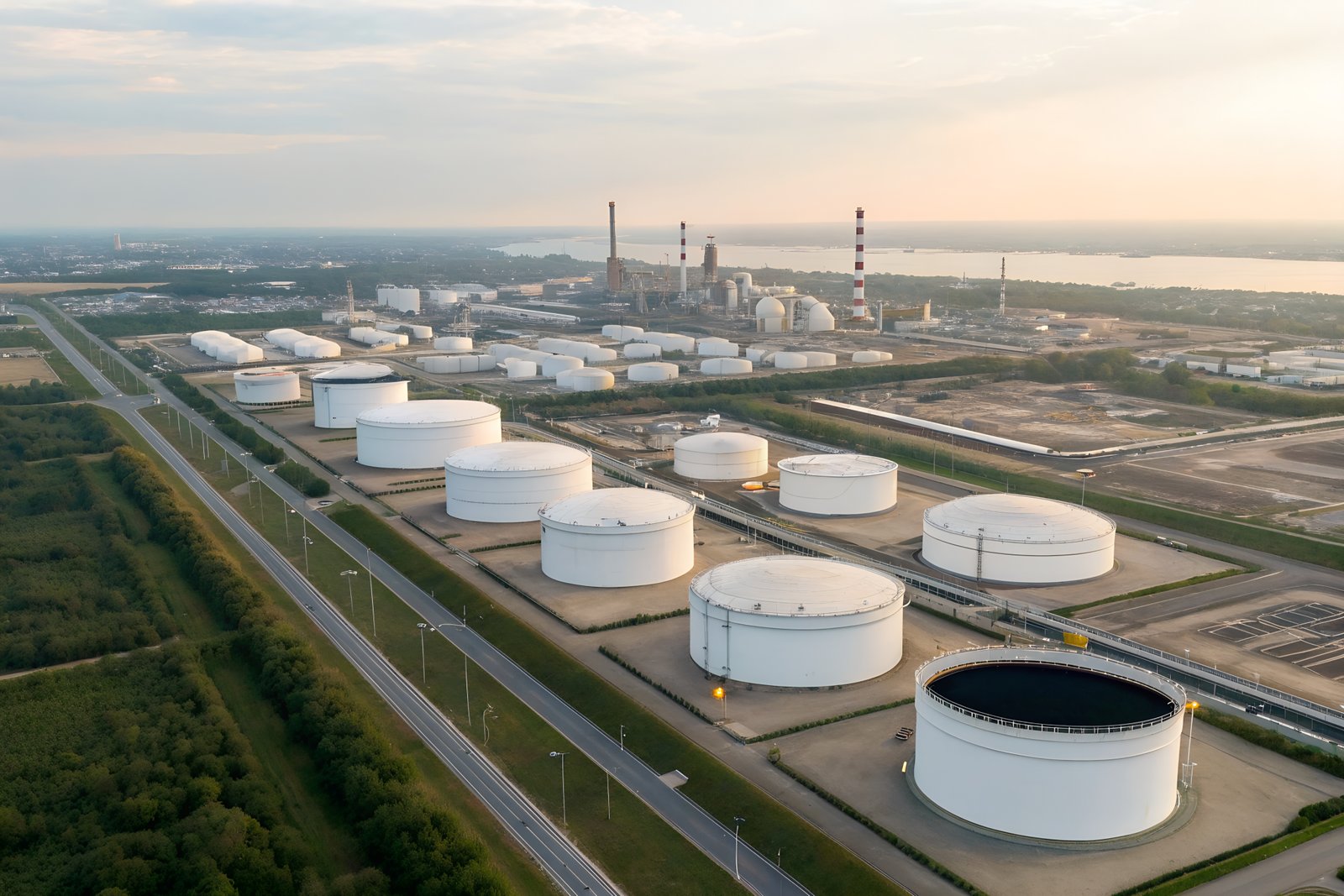
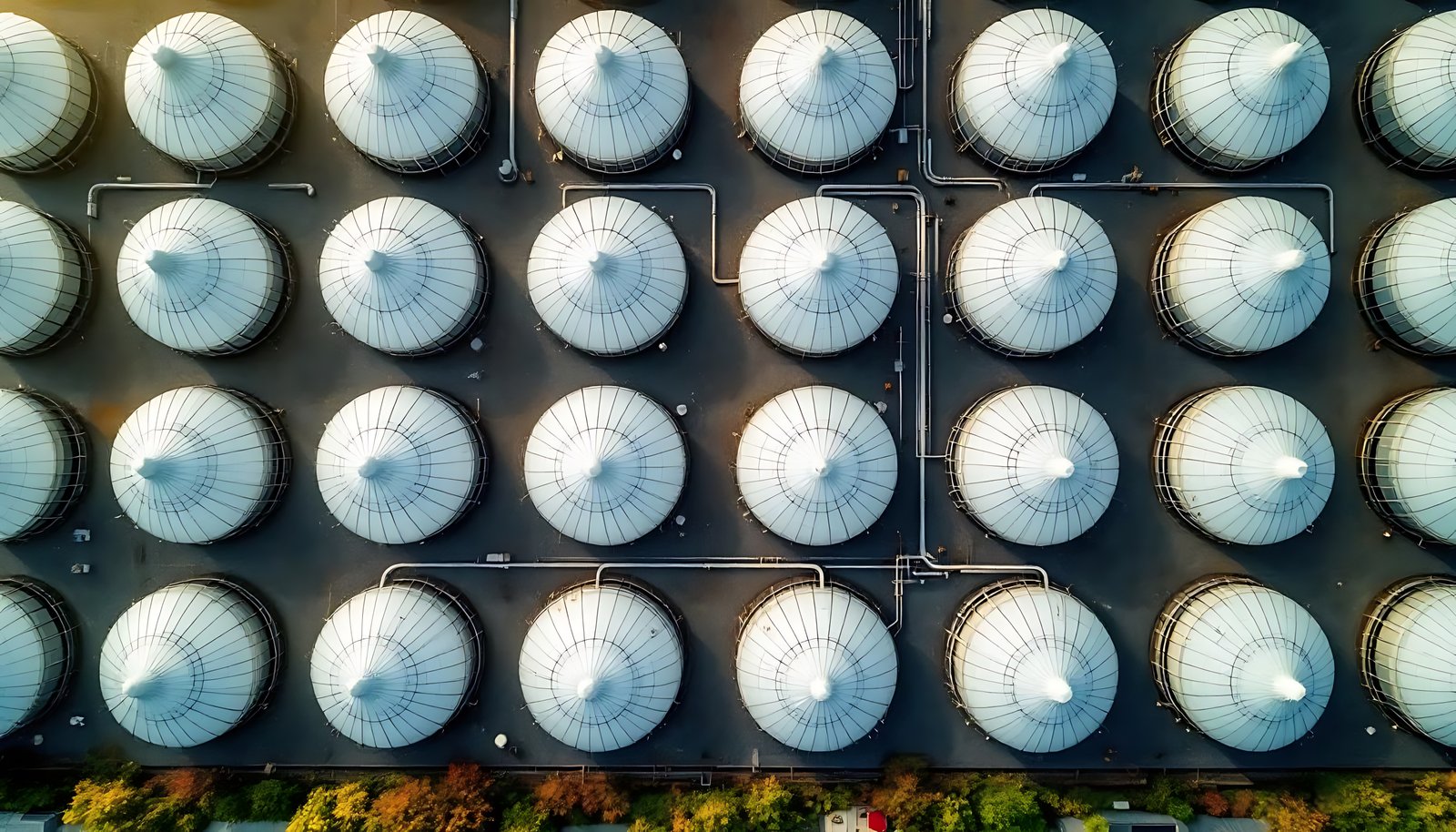
Shuttle Storage B.V.’s terminals are located in major global energy hubs, enabling efficient access to key markets. Strategic positioning supports optimized logistics routes, reduced transit times, and enhanced supply chain resilience for customers operating internationally.
Terminal activities are fully integrated with storage and logistics services. This integration ensures smooth coordination between receipt, storage, and dispatch operations, reducing operational delays and handling risks.
Each terminal operates under strict Health, Environment, and Safety systems. Spill prevention, containment measures, monitoring, and emergency preparedness protect people, assets, and the environment across all locations.
Terminals are connected to marine berths, pipelines, and inland transport networks. This connectivity enables multimodal operations and flexible distribution options tailored to customer needs.